
How to Check Criminal History in Buffalo
Start with the custodian tied to the Buffalo record. A call handled by Buffalo Police does not become a Sheriff incident report merely because the person was later held at the Dallas County Detention Center. In the same way, a booking charge is an intake entry, while the prosecutor’s filed charge and the court’s final result belong to the court case.
Use a full name and a date range when possible. Add a report, booking, citation, or case number if one is known. Those details help Buffalo staff distinguish records without asking a city office to create a new analysis under the Missouri Sunshine Law.
- Request a Buffalo incident or arrest report from Buffalo Police when city officers handled the event.
- Ask the Dallas County Detention Center about current custody or the related county booking.
- Search Missouri Case.net for a publicly indexed Buffalo municipal or Dallas County state case.
- Contact Buffalo City Hall or the Dallas County Circuit Clerk when the correct municipal custodian or a certified court copy must be confirmed.
- Use MACHS only when the question calls for Missouri’s statewide open-record criminal-history product.
Buffalo Criminal Records at the County Hub
Buffalo is both an incorporated city and the Dallas County seat. That gives Buffalo a records role unlike Urbana or Louisburg. Buffalo has the county’s only municipal police agency listed in Missouri’s current law-enforcement directory, while the courthouse, county prosecutor, Circuit Clerk, Sheriff, and detention center also operate in Buffalo. The Buffalo offices are close in place but hold distinct files.
The official 2020 Census counted 3,290 Buffalo residents and 1,558 housing units. Those figures establish Buffalo as the county’s largest incorporated place. The Census place-estimate source provides the broader official place-data channel.
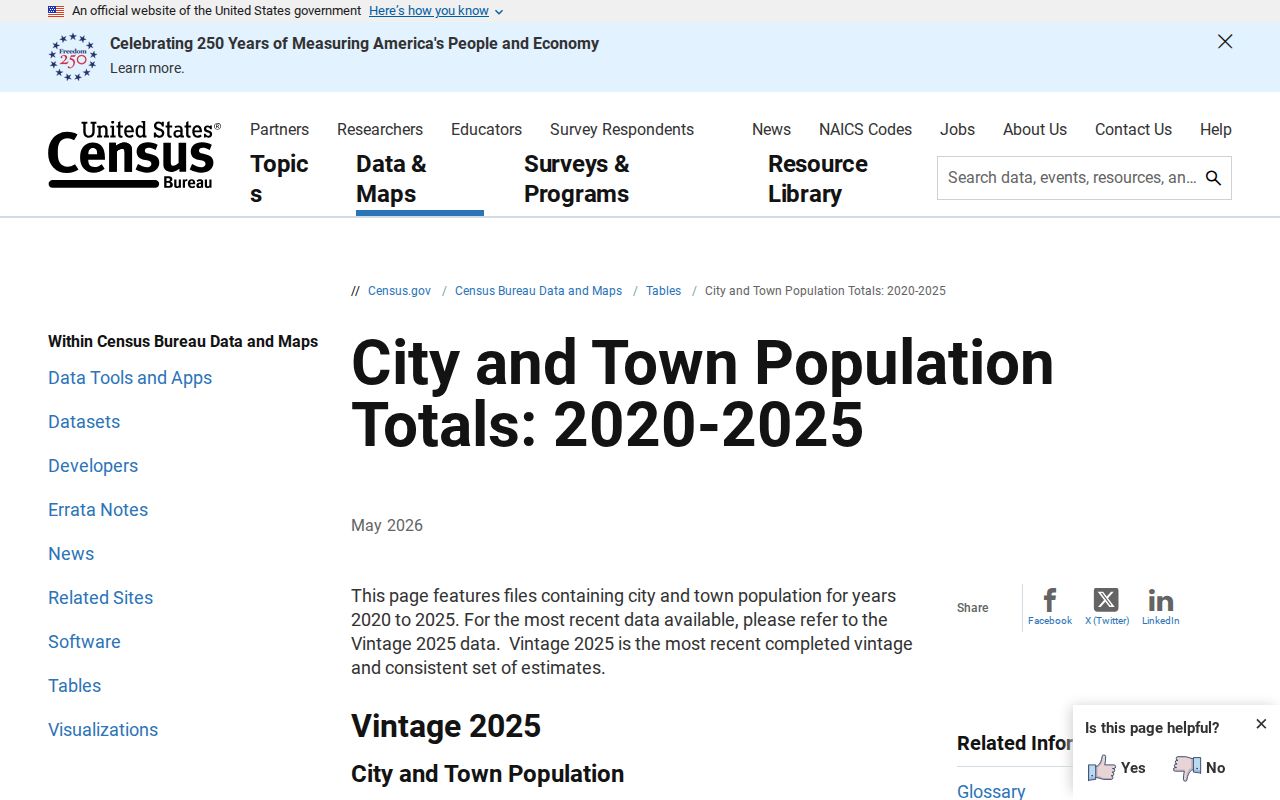
The Census screen supports Buffalo’s place context, while police, jail, and court offices remain the sources for actual Buffalo criminal records.
The Buffalo Police Department
The Buffalo Police Department is at 311 N. Poplar St., P.O. Box 410, Buffalo, MO 65622. Its listed phone is 417-345-2709 and fax is 417-345-8107. Buffalo Police creates city incident reports and arrest reports when its officers respond or make the arrest. Those records do not merge into a countywide police-report pool.
No official Buffalo Police report portal, records form, fee schedule, arrest blotter, crime map, app, or posted records-counter hours was found in the verified city material. That absence changes the first step. Call the department, identify the event, and ask how its records custodian accepts a focused request. Do not send a request to Dallas County Sheriff merely because the event occurred within Dallas County.
Buffalo Police Department
311 N. Poplar St.
P.O. Box 410
Buffalo, MO 65622
417-345-2709
Buffalo City Hall
115 S. Maple St.
Buffalo, MO 65622
417-345-2701
Getting a Buffalo Police Report
A useful Buffalo request names the exact record rather than asking for “everything.” State whether the item is an incident report, arrest report, dispatch entry, crash report, or other identified record. Include the event date and time, location, report number when known, and a way for the custodian to send an estimate or response. Electronic delivery may be requested when practical.
RSMo §610.100 treats incident and arrest reports as open records subject to its limits. An incident report supplies core immediate facts. An arrest report records the arrest. Investigative material can remain closed while a matter is active, and personal, victim, or juvenile information may be redacted. If Buffalo Police directs a city-level Sunshine request elsewhere, City Hall at 115 S. Maple St. is the verified municipal-custodian fallback.
Note: Ask Buffalo Police for its current charge and delivery method because no official city report fee schedule was verified.
Arrests and Bookings in Buffalo
Buffalo does not operate a separate long-term city jail in the verified state agency material. After a custodial Buffalo arrest, booking is checked through the Dallas County Detention Center at 204 S. Poplar St., Buffalo, MO 65622. The Sheriff’s listed phone is 417-345-2441. A booking may hold the intake time, arresting agency, charge as received, bond data, custody status, and release information.
Keep the city report and county booking in their proper roles. Buffalo Police explains the city event and arrest. The detention center records custody and intake. Neither source proves guilt, and a booking count can change before the prosecutor files a complaint. When the case reaches court, the filed charge is the best source for current litigation status.
The broader county arrest route, including other arresting agencies and the state repository, is covered in the Dallas County arrest history.
When Buffalo Arrest Records Lag
A fresh Buffalo arrest may not appear in Case.net at once. Booking occurs before the prosecutor’s filing decision, so a jail entry and a court case can exist on different schedules. First confirm custody with the detention center. Next request the arrest report from Buffalo Police. Search Case.net again after a case has had time to be filed, using Dallas County as the court location rather than relying only on the word “Buffalo.”
If the arrest never results in a filed charge, the expected public record may remain with Buffalo Police and the booking custodian rather than develop into a full court docket. If a case is filed, its docket can later show arraignment, counsel, motions, plea, disposition, sentence, and financial entries. A common name match still requires a check of the court, filing date, and non-sensitive context.
Buffalo Municipal Court Records
The official Buffalo site did not provide an active municipal-court detail page, named judge, copy fee, or stand-alone case portal in the verified source set. For a Buffalo ordinance citation or municipal matter, search Missouri Case.net for a publicly indexed case, then call City Hall or the Dallas County Circuit Clerk to confirm the active division and record custodian.
That confirmation step keeps a local citation from being mistaken for a Dallas County state prosecution. Court access also depends on the case security level and Missouri’s remote-access rules. A docket event can be public even when the linked document image is not available online.
| Court Channel | Case.net for publicly indexed Buffalo municipal matters, followed by City Hall or Circuit Clerk confirmation |
|---|---|
| Local Matters | Buffalo ordinance and municipal citations as assigned through the active judicial arrangement |
| Docket Contents | Case number, parties, charge or ordinance, events, hearing settings, disposition, and financial entries when public |
| Document Access | Remote images only where court rules permit; the custodian supplies other public copies |
| Copies & Fees | No verified Buffalo municipal copy fee; ask the confirmed custodian before ordering |
Buffalo Municipal and State Cases
A Buffalo municipal matter and a Missouri criminal prosecution can begin with the same local contact yet follow different paths. An ordinance or city citation uses the municipal judicial channel as currently organized. A state misdemeanor or felony is filed in Dallas County’s Circuit Court system. Associate Circuit divisions handle misdemeanors and early felony proceedings, while the Circuit Court is the felony trial court.
Read the court and case type before drawing a conclusion from a search result. A Buffalo address does not make every case municipal. Likewise, a city officer’s name on an arrest report does not decide where the prosecutor files the charge. The charging law and the filed document control that step.
For a state case, the Dallas County criminal court case record supplies the docket and disposition path in more depth.
Where Buffalo Records End Up
A Buffalo event can create several related records. Buffalo Police makes the incident or arrest report. The Dallas County Detention Center makes the booking record. The prosecutor decides what state charge, if any, to file, and the Circuit Clerk opens the court case. Fingerprint, charge, and disposition data then move toward Missouri State Highway Patrol CJIS for the state repository record.
Record flow: Buffalo Police › Dallas County Detention Center and Courts › Missouri State Highway Patrol CJIS
This line is not a promise that every system updates at once. A Buffalo booking may precede a case. A Case.net outcome may appear before a repository record catches up. MACHS is a statewide open-record product and a possible name match, not a certified copy of the Buffalo report or court judgment. For an error, correct the source record first, then give the repository the verified disposition when required.
Buffalo Criminal Record History Gaps
Buffalo’s official 2026 Comprehensive Plan records a distinctive local history. Buffalo was first incorporated in 1854, later lost its charter, and reincorporated in 1870. The city stands in west-central Dallas County, about 28 miles north-northeast of Springfield by U.S. 65. The first county jail was built in the winter of 1842–43 near the public square, long before today’s detention center.
Historical court research has a hard limit. Temporary courthouses burned in 1864 and 1867, and the 1867 fire destroyed county records, including material tied to indictments. A missing nineteenth-century Buffalo criminal record may therefore be a documented loss, not a weak name search. Surviving circuit criminal volumes and indexes appear in the State Archives microfilm inventory. A researcher should begin with an approximate year and spelling, ask the Circuit Clerk about retained volumes, and then check whether the cited archive survived.
Public Access Rules
The Missouri Sunshine Law governs Buffalo city records, while Court Operating Rule 2 governs public access to Missouri court records. A Buffalo custodian must respond to a public-record request as soon as possible and no later than the end of the third business day. If access cannot be given at once, the response should explain why and provide the earliest date and time the record will be available.
That deadline is a response rule, not a promise that every Buffalo record will be released in three days. Active investigative details, juvenile information, protected personal data, and records closed after certain outcomes can be withheld or redacted. Fees may reflect lawful search and duplication costs under RSMo §610.026, but no Buffalo Police schedule was verified.
Key Buffalo Access Rules:
Missouri Sunshine Law sets the request, response, and public-government-record framework.
RSMo §610.100 opens core incident and arrest reports subject to investigation and safety limits.
RSMo §610.105 closes records after listed outcomes, including a successfully completed suspended imposition of sentence.
Court Operating Rule 2 controls court confidentiality and remote public access.
When Buffalo Holds the Report
Some Buffalo criminal records never become Sheriff incident reports. If Buffalo Police handled the Buffalo call, the city may hold the only agency report even though the detention center holds a related booking. Ask the responding agency first. If a Buffalo citation or report identifies MSHP instead, use the Patrol’s record channel. The agency named on the document is a stronger routing clue than the place where the person was later held.
When the Buffalo city custodian denies or redacts material, request the legal basis in writing. A Sunshine request seeks an existing record; it does not require the city to answer questions, resolve a case, or write a custom summary. For court certification, use the confirmed court custodian rather than a police copy. These small routing choices keep a Buffalo search tied to the record that can actually answer it.
Note: Buffalo Police, City Hall, the detention center, and the Circuit Clerk are separate stops even though all four operate in Buffalo.